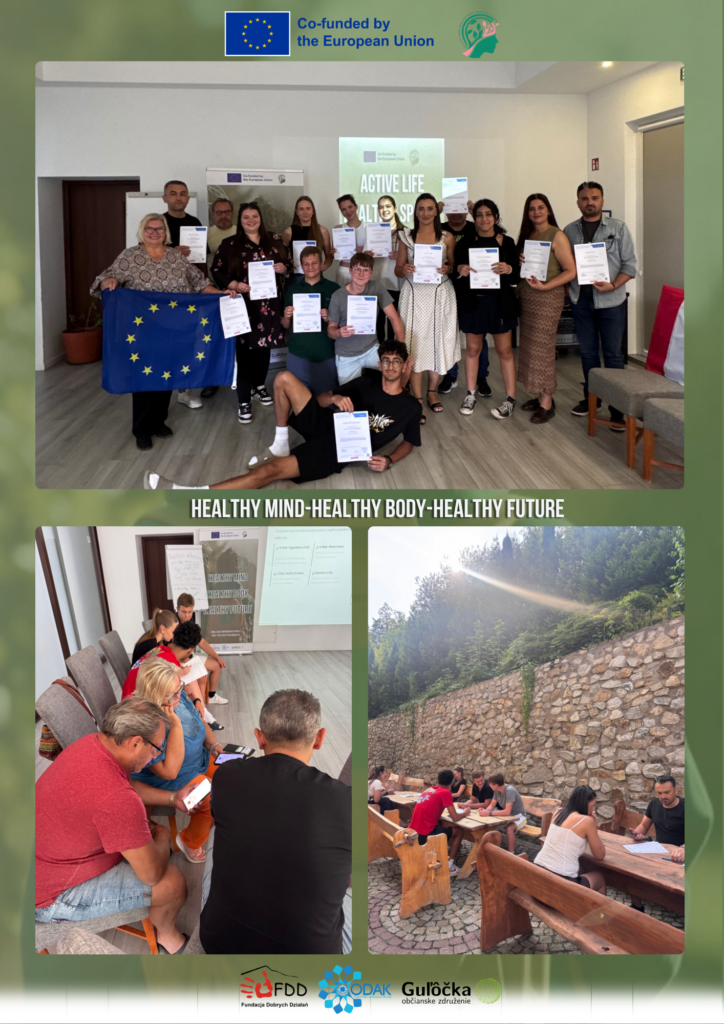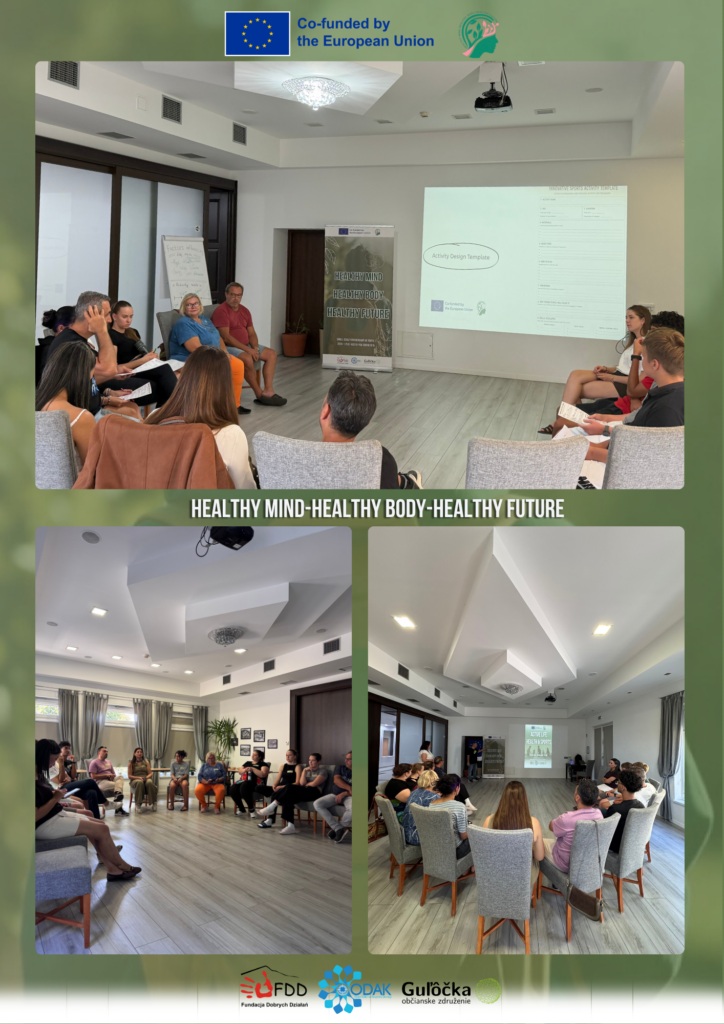
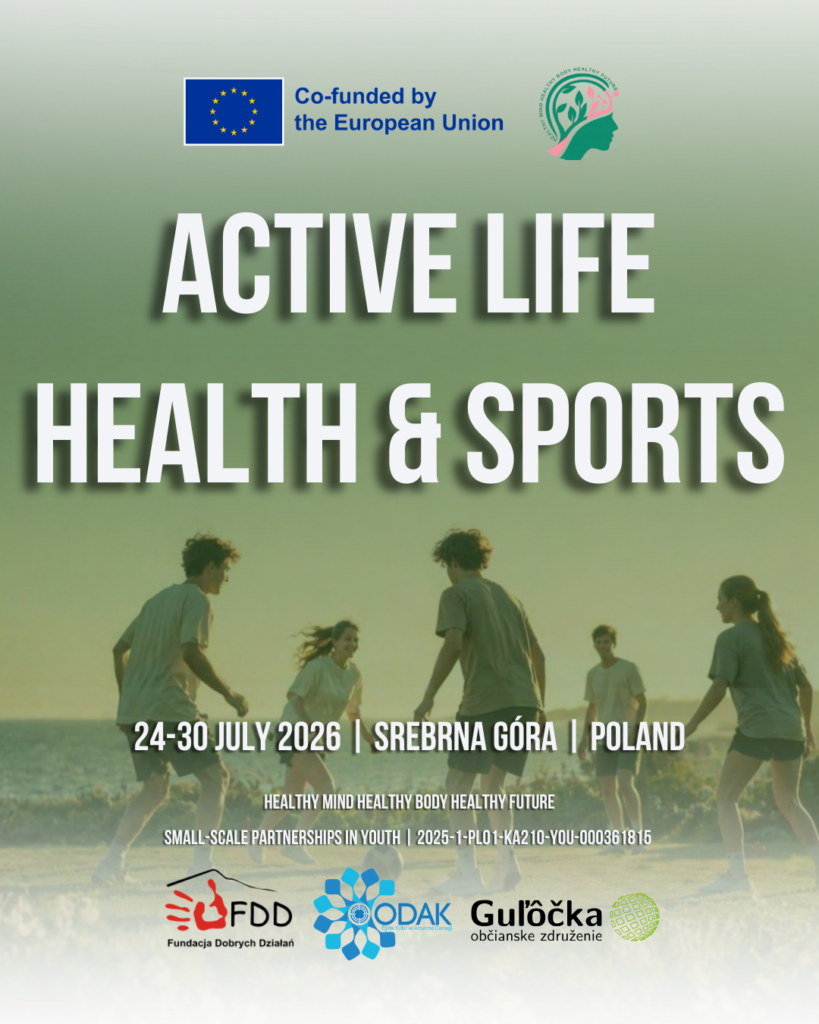
The second international mobility of the Healthy Mind-Healthy Body-Healthy Future project took place in Poland, bringing together participants from partner organisations to explore the role of sport and physical activity in promoting healthier lifestyles and improving the overall wellbeing of young people.
Building on the knowledge gained during the first mobility dedicated to healthy nutrition, the programme focused on the benefits of regular physical activity and its contribution to both physical and mental health. Through interactive workshops, practical sessions, and collaborative learning, participants explored how sport can be used as an effective tool for youth engagement, health promotion, and non-formal education.
Throughout the mobility, participants examined the physiological and psychological effects of physical activity, while also experiencing a range of innovative sport-based educational methods that can be adapted for different age groups and community settings. The programme combined practical physical activities, case studies analysing the real cases of youth and finding possible solutions. As well as reflection sessions and group discussions, demonstrating the influence of sport on cooperation, inclusion, motivation, and personal development beyond traditional forms of physical exercise.
An important element of the mobility was the exchange of experiences and good practices among partner organisations. Participants discussed the main barriers preventing young people from leading active lifestyles and collaboratively developed Innovative sport ideas and Local Activity Plans, outlining practical initiatives that they will implement after returning to their communities to encourage greater participation in sport and healthy living.
To support the dissemination of project results, participants also took part in a series of video interviews, sharing their perspectives on the challenges facing young people, effective ways to motivate participation in physical activity, inspiring practices discovered during the mobility, and how they plan to apply the newly acquired knowledge within their organisations. These interviews form part of the project’s dissemination materials, ensuring that the ideas and experiences gained during the mobility reach a wider European audience.
The mobility resulted not only in strengthened competences of the participants but also in the development of practical educational resources, innovative activity concepts, and concrete implementation plans that will continue to support youth workers in promoting active lifestyles at the local level. By combining international cooperation, non-formal education, and practical learning, the mobility made a significant contribution to the project’s long-term objective of building healthier, more active, and more resilient communities across Europe.